End-to-End AI Vision Platform for Container ID & Asset Recognition
Led the development of a full-stack AI Vision system for automated container-number detection, OCR extraction, and exception monitoring across mobile devices, backend processing services, and a centralized web dashboard.
Project Gallery
Project Demo Video
Project Documentation
About this project
As AI Backend Engineer and Technical Lead, I designed and implemented a comprehensive end-to-end AI Vision platform that revolutionized container identification and asset recognition workflows. The system processes thousands of images daily with sub-200ms inference latency, combining state-of-the-art Computer Vision models (YOLO, DeepSORT/ByteTrack) with advanced OCR technology (PaddleOCR) for real-time container ID recognition.
The platform encompasses multiple components working seamlessly together:
Mobile Data Collection
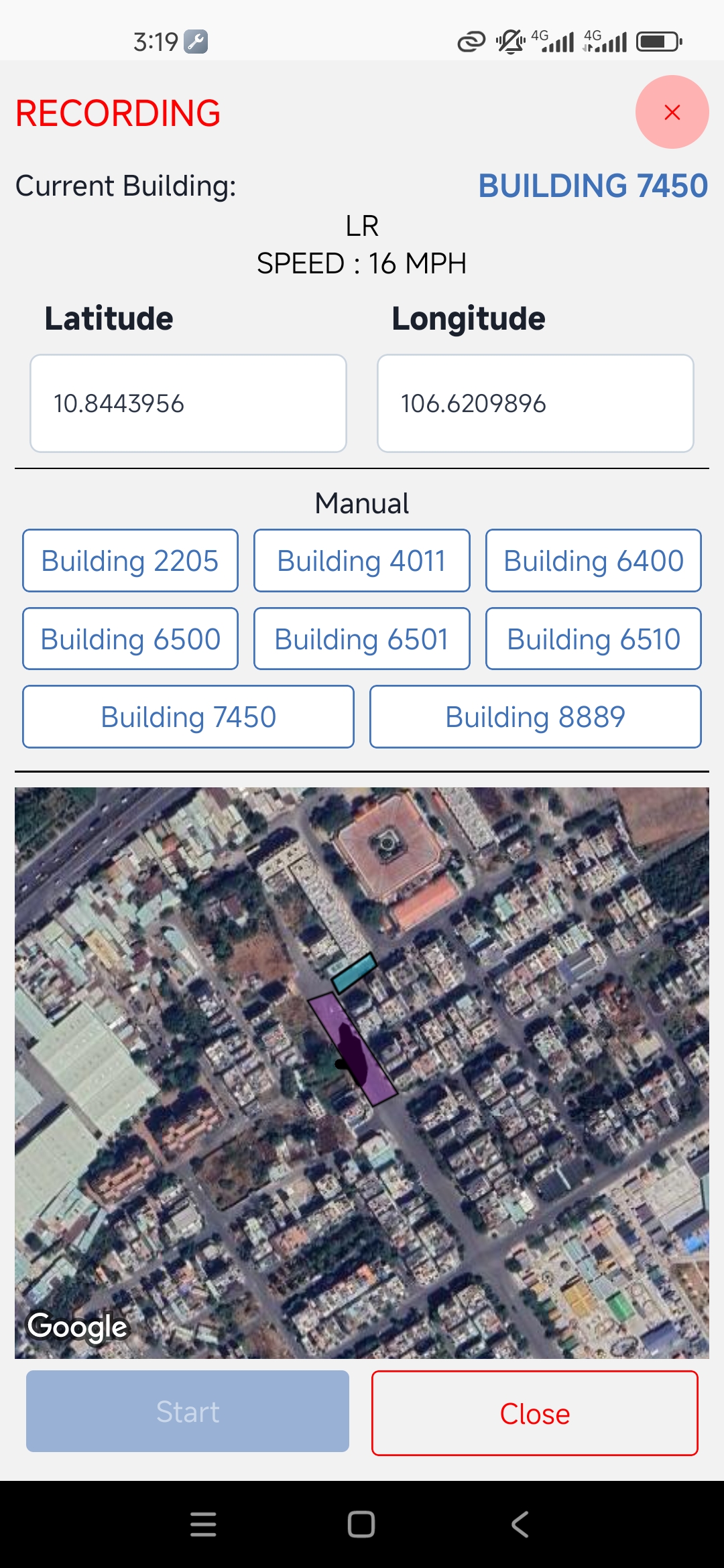
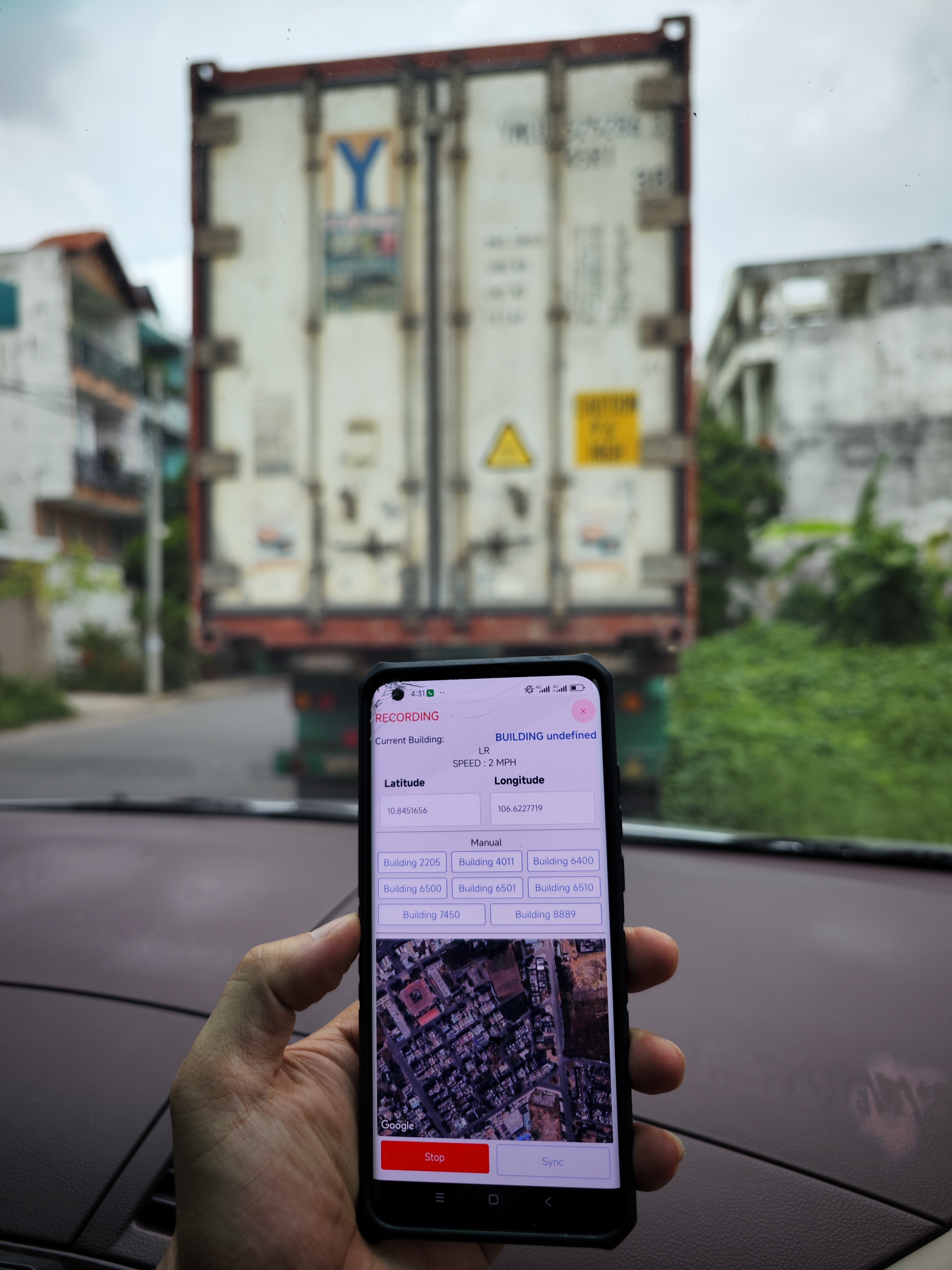
Field workers use mobile applications to capture container images with GPS coordinates, timestamps, and camera metadata. The mobile app features real-time recording capabilities, location tracking, and manual building selection for accurate asset mapping.
Vehicle-Mounted Sensor Systems
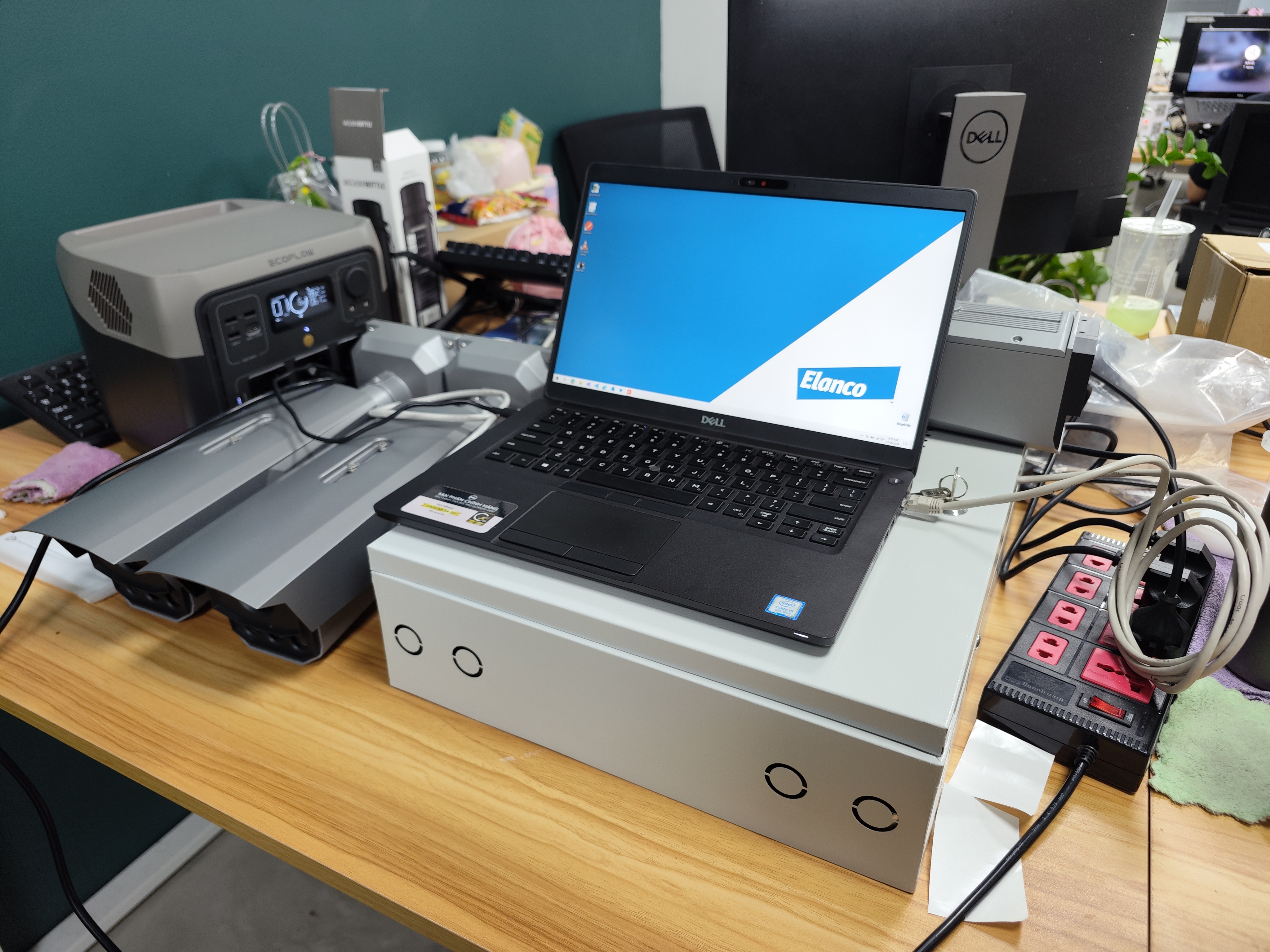
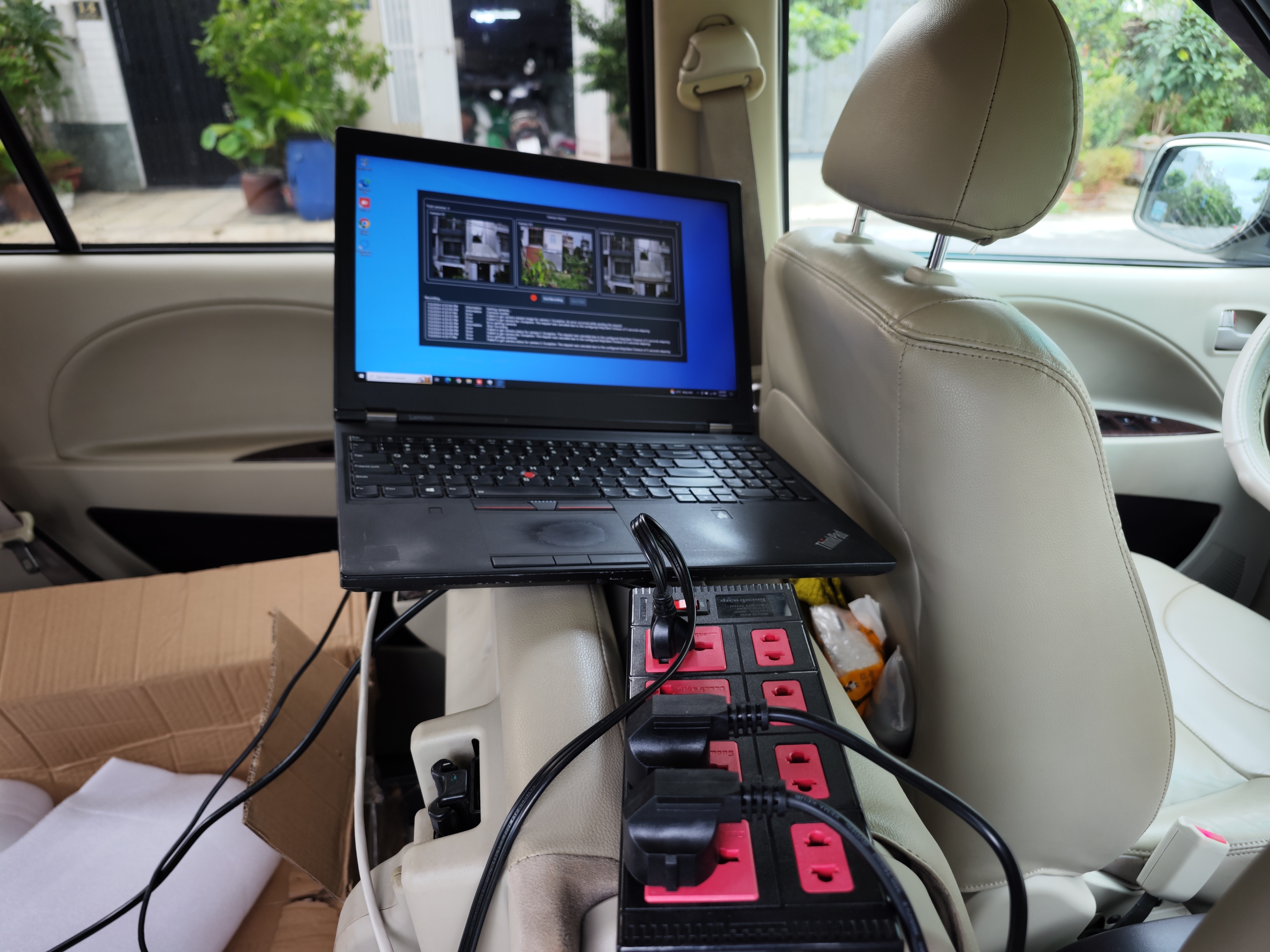
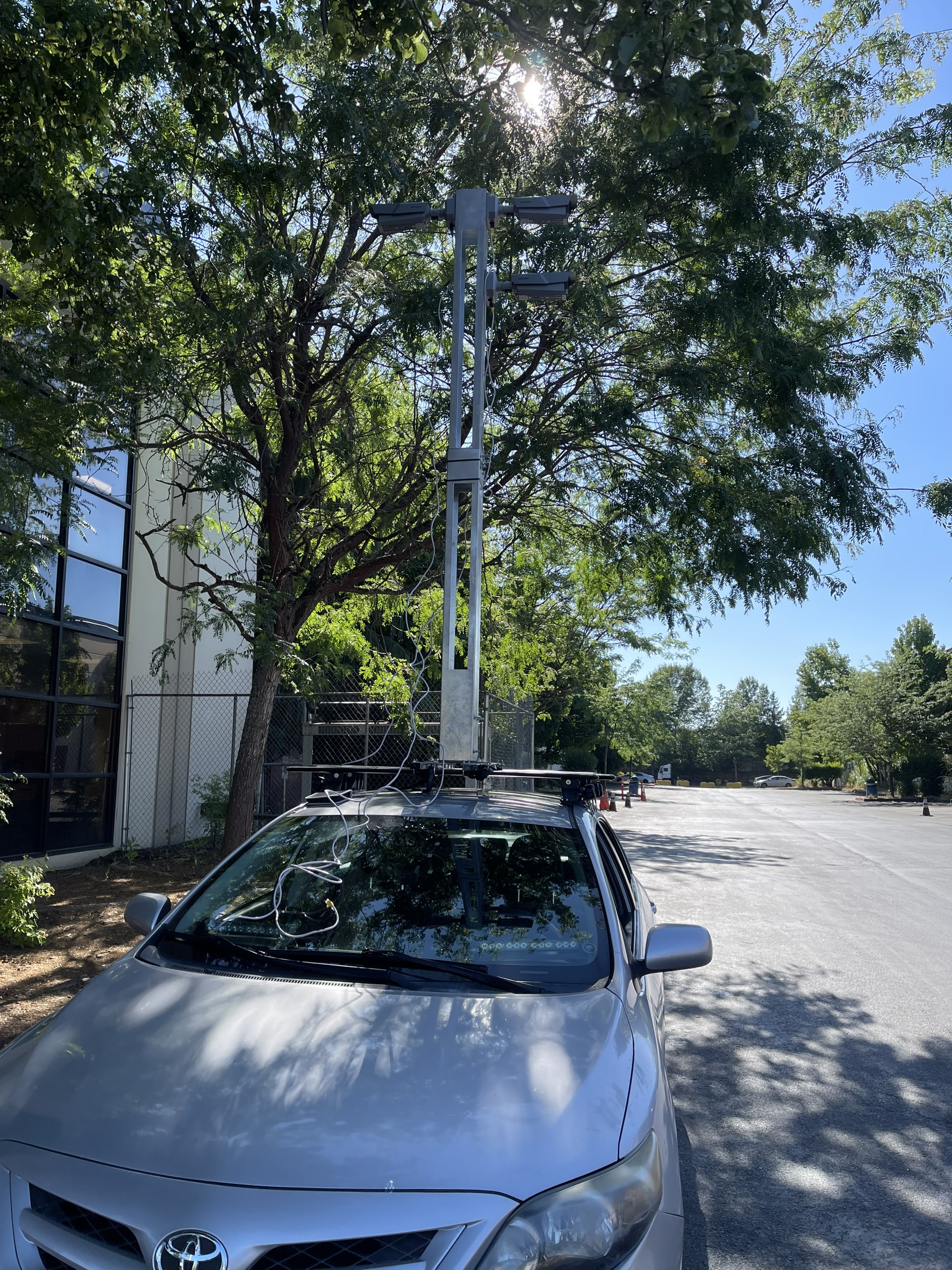
Specialized vehicles equipped with sensor rigs and camera arrays collect data during field operations. These mobile workstations enable continuous data collection while navigating through container yards and logistics facilities.
Web Dashboard for Manual Review
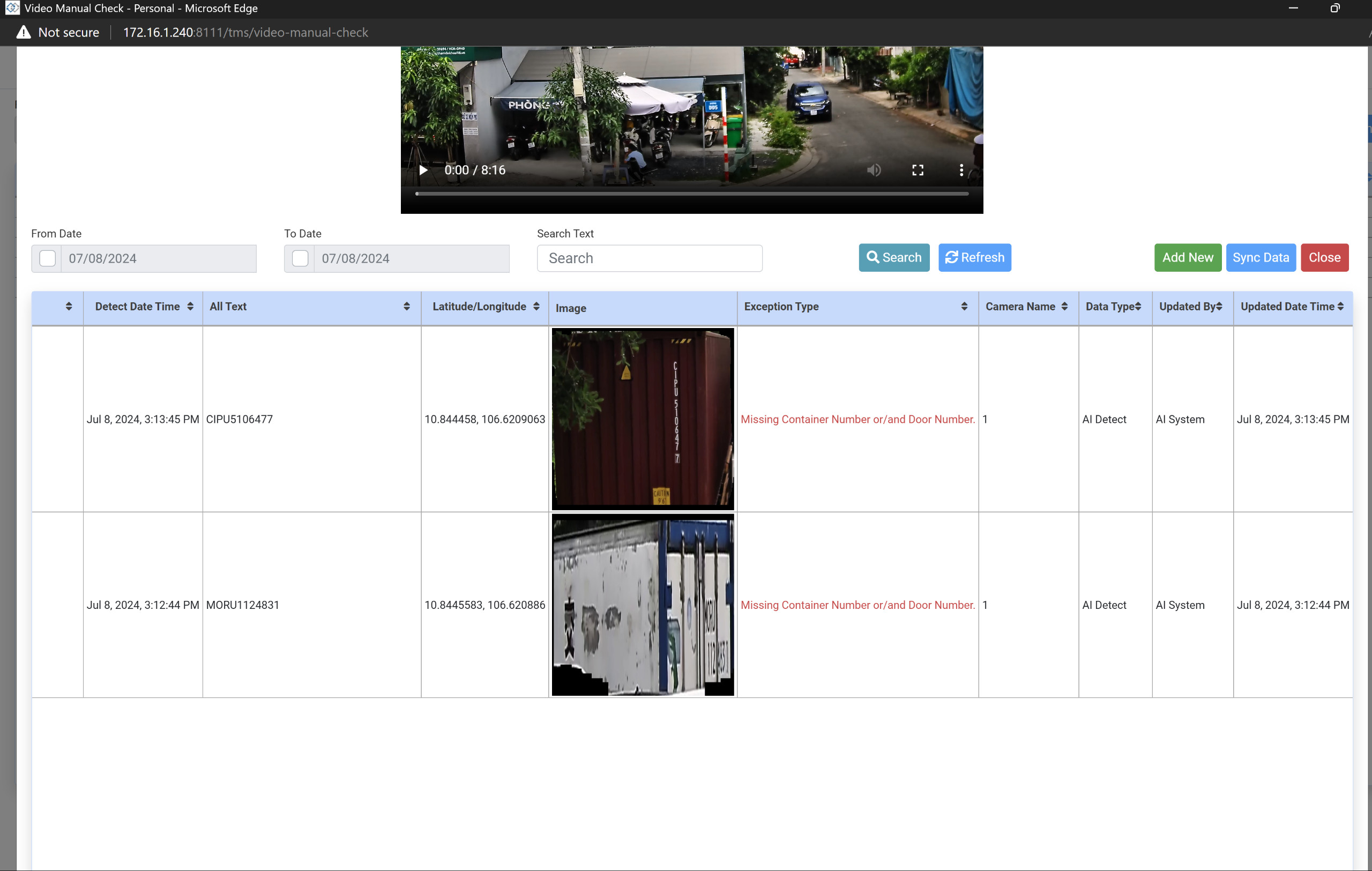
A centralized web dashboard (Video Manual Check interface) allows operators to review AI-detected container numbers, verify OCR results, handle exceptions, and monitor detection accuracy. The dashboard displays detection timestamps, container IDs, GPS coordinates, exception types, and provides filtering and search capabilities.
Backend Processing Pipeline
A scalable microservices architecture built with Python/FastAPI handles image ingestion, GPU-accelerated inference, OCR extraction, and data persistence. The system integrates with S3/MinIO for storage, PostgreSQL for structured data, Redis for caching, and Kafka/RabbitMQ for asynchronous message processing.
Automated Training Pipeline
I architected an automated data and training pipeline with auto-labeling capabilities, human-in-the-loop review UI for exception handling, data augmentation, versioning using DVC/MLflow, and CI-triggered retraining workflows.
Model Deployment
The system includes optimized model deployment to GPU servers and edge devices using TensorRT/ONNX Runtime, with quantization and performance tuning for production environments.
Comprehensive monitoring and observability features track inference analytics, accuracy metrics, and data-drift detection. The platform achieved >90% end-to-end container ID extraction accuracy, reduced manual verification workload by ~60%, and shortened model update cycles from days to under 1 hour through full CI/CD automation.
Key Highlights
- Achieved >90% end-to-end container ID extraction accuracy after iterative training
- Reduced manual verification workload by ~60% through automated exception detection
- Architected distributed pipeline processing thousands of images/day with <200ms per-frame inference latency
- Shortened model update cycle from days to <1 hour with full CI/CD automation
- Designed rule-based + ML-based post-processing system for OCR output normalization
- Implemented secure API gateway with JWT-based auth, rate limiting, and TLS enforcement
- Created production model registry with rollback support and OTA model updates to edge devices